Tips To Create Better Emails That Engage People
Even though social media has become more popular, email marketing is still a very effective tool to reach out to your clients. That's because you're meeting them on a platform that they access daily. Unlike with social media, where a user may or may not see your latest post - emails get delivered right to their inbox.
However, getting users to open that email and engage is key to making your email strategy work.
Worry not; we've got some simple tips that you can implement to see more engagement and increase your open rate.
1. Know Your Audience
No opening line will work if you don't know what appeals to your audience. Before you even think of writing the perfect email to inform your clients about your company or an enticing offer - think about who they are.
Do some demographic research using data from your subscriber list, such as their location, age, gender, etc. Knowing these aspects about your clients will help you formulate better content and subject lines that will immediately resonate with your clients and increase your open rate.
For example - if your clients are big sports fans, then opening with a subject line that uses sports jargon will catch their eye.
2. Add Value
When you get people to sign up for your newsletters or subscribe, it's important to let them know why they signed up. To do that, you must have a clear idea about the content you plan on sharing and how it supports your broader digital marketing and SEO strategy.
What can users expect to receive in their inboxes, and how many times a week or month will they hear from you. These questions are a great starting point.
Your content depends on who you are as a company; for example, a primary school will find it beneficial to send email updates on the latest educational statistics to their student's parents.
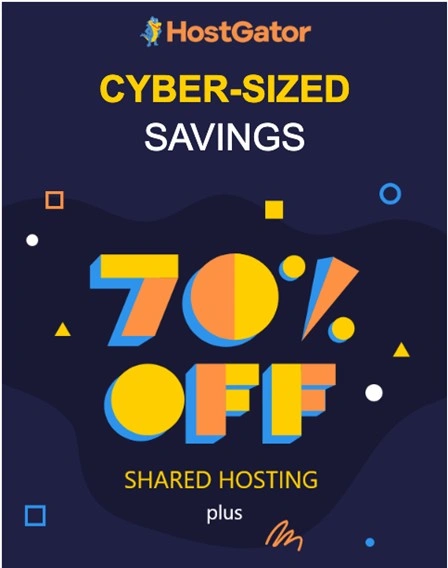
Alternatively, ecommerce sites would prefer to send sales offers or trend forecast emails to their customers. So, here are a variety of things you can include in your emailers:
● Promotional offers (coupons, sales, exclusive members-only offers, etc.)
● White papers,
● Ebooks,
● Articles by experts in your niches/industry, etc.
These types of emailers add value to your clients and will encourage them to engage with the content you've provided.
3. Captivating Subject Lines
Arguably, the pickup line of the email world - a subject line has to be captivating and entice users to click open the email. It's a good idea to ask your content writers to develop a few subject lines, so you can find a few to select from them.
The subject line must be:
● personal - this increases open rates by 50% (Quicksprout)
● provocative,
● not gimmicky and
● most of all, it should inform the user of what the mail contains.
These are the four criteria for an effective subject line. It's always best to put yourself in the shoes of the user when you read the subject line - would it lure you into clicking the mail open? If so, then go with it, if not, then head back to the drawing board.
4. Who's The Sender?
According to Statista, 306+ emails are sent and received each day. That might sound like a huge number, but doesn't it feel like that sometimes when you open your inbox?
Your eyes tend to glaze over emails from brand names or companies; however, if you see a person's name, even if unknown, you're more likely to read the subject line. That's why you should set up an email ID that doesn't feel impersonal for your company, using a person's name.
Emails are still considered a private way to contact a person, so keep in mind who you want your clients to see is emailing them.
Instead of a generic sales@yourcompany ID, opt for founder name email IDs that are more personable.
Additionally, personal IDs can bypass inbox filters that might send them to spam or promotion inboxes.
5. One Clear Message Per Email
Unless you need to send out a newsletter that highlights different aspects of your company, it's better to have one clear message per email. Focus your email's content on the main message:
● Do you want them to fill out a survey,
● Inform them about a new milestone,
● Check out new products on your website,
● Vote for your company, etc.
Decide on your goals and message so that subscribers don't get confused about the intent of the email. Align your subject line, headers, and the main body of text so that subscribers are clear about the email and entice them to follow through on its intent.
6. Get Personal
The tone of your email is everything, but it's largely dependent on what type of company you run.
However, emails are a personal way to connect with people, so address your subscribers personally, as if your email is meant for them and not everyone on your list.
Additionally, if you're using your own email ID to send out mails, ensure that your subscriber's ID remains private - avoid adding multiple contacts to one email as a CC.
A good way to get around this is to have an account with a reputed email marketing platform like MailChimp, SendGrid etc.
7. Use an Email Marketing Platform
Emails don't just have to be plain text-rich correspondence, email marketing platforms allow you to format your emails to make them more visually pleasing.
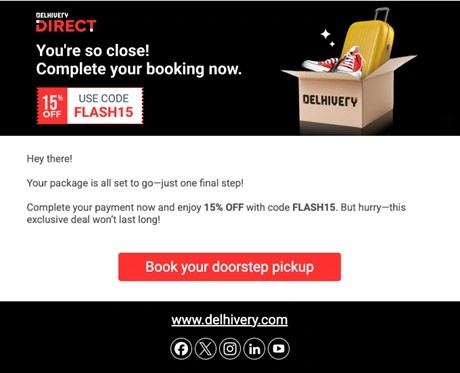
Apart from that, you can embed links, call-to-action buttons, hyperlink photos, include social icons, etc. Think of it as being able to present a mini website in the form of an email. Email services also offer you the convenience of adding multiple emails without skimping on privacy.
Most importantly, these platforms provide insights that can tell you which email performed the best, looking at bounce rates, open rates, click-through rates etc. - a great feature to improve your email marketing strategy.
8. Edit and Spell Check
Before you hit send, check your email for grammar, spelling, context, and quality. Ensure that the words you use convey your message in a professional yet personal tone while keeping in mind that spelling and grammar are the foundations of good content.
You might have a heartwarming story that you wish to share with your subscribers, but it will immediately put people off if it's written in bad English (or your native language). Use language tools like Grammarly or inbuilt spell-check to edit and correct any mistakes in your email.
Get a colleague or friend to read/check the email before you send it out. If you've written the email, sometimes your brain skips over crucial mistakes due to the familiarity of the text. Fresh eyes will solve this problem.
9. Original Content
There is nothing more valuable when it comes to emails, than original content. Your subscribers live in an age where information is at the tip of their fingers, and they see multiple stories in a day.
Therefore, if you want to connect with your audience and stand out from the crowd, it's essential to focus on original content that adds value.
While your emails can share a common theme, the content you offer must be authentic, not plagiarized, well researched, engaging, and comes with a promise for more.
Getting subscribers to engage more with your emails comes with hooking them with great content and enticing them with future emails that will enrich their lives.
10. Ensure Email is Responsive on all Devices
According to Campaign Monitor, 81% of people prefer to open emails on their smartphones. Therefore, it's logical that your emails should be responsive for smart devices.
Most email marketing services optimize their emails for both mobile and desktop; however, if you're not using a service and sending out emails on your own - then don't skip this step.
There's nothing worse than opening an exciting email, only to be met with a font that's too big or too small, headers that get cut off, or columns of text that don't fit on the screen. Create email templates that are visually pleasing, responsive, and legible on all devices, especially mobile.
11. Increase Deliverability
Email IDs change, people unsubscribe, accounts become inactive - there are a lot of reasons why your deliverability score decreases over time. That's why it's vital to clean up your subscriber list. Here's how you can do that:
● Have a working unsubscribe page so that people who want to stop receiving your emails will automatically be taken off your list.
● Ask subscribers to add you to their whitelist, the more people who add you to their primary inbox, the more authority your email gets and avoids the spam filters.
These two simple steps will help with deliverability and streamlining your contacts so that your emails reach active and interested people.
12. Segment Your List
Rather than sending out a single email to all your list, it's better to target certain groups who you know for sure will resonate with that particular email's content.
For example, an ecommerce start-up should send out its company growth-related emails to their investors instead of their clients, who would prefer emails about their products or sales.
Segmenting your subscriber list allows you to curate content that will give those groups the most value, and it encourages them to engage with the email since it's tailored-made for them.
FAQs on How to Increase Email Engagement
Q1: Will Adding Videos To My Emails Increase Engagement?
According to Campaign monitor, video can increase open rates by 19% and click rates by 65% while reducing unsubscribe rates by 26%.
So it's a good idea to use them in your email marketing strategy; however, whether you host, embed or upload your video, there are a few things to remember when using video in email:
1. Ensure that when it's opened, it's responsive to mobile, laptop or tab devices.
2. You still have to entice users to open your email to view the video. Just putting the video into the email won't help. Add 'video' into captivating subject lines and email content so that subscribers know there's a video in the email.
3. Know your media limits, that way, you can select the best quality to create your video so that it opens fast and subscribers can view it instantly.
Q2: Can Emails Help Increase My Blog Engagement?
Yes, emails help promote your blog to your target audience, so it does help with engagement.
Plus, if you have an active blog and subscriber list, then it's a great way to promote authentic, valuable content. Instead of posting the entire blog as an email, pitch it as a solution to an issue or discourse.
For example, if your blog is about reducing a child's screen time, then writing an email about why screen time impacts a child is a good way to get subscribers curious and want to click on your blog link for the answers.
Q3: How Can I Improve My Email Open Rate?
There are many ways to improve your email open rate. However, the short answer is by analyzing the emails you've already sent out. Find out why those emails have performed well by looking at commonalities.
Additionally, don't forget simple email tips such as:
● Adding a person's name to the subject line
● Writing intriguing subject lines
● Using a personal email id
● Offering valuable and original content
● Frequency of emails, how close or far apart did you send them
● Include an unsubscribe link; without this, your mails could go into spam directly.
Q4: How Can I Use Emails To Improve My Sales?
Emails are ideal for promoting sales to your existing customers or clients.
Firstly, you have an advantage that since they've subscribed to your newsletter, they already know who you are - so you can go directly to what offers/products you have to for them.
Catchy subject lines and clear headlines about what you're trying to sell will help entice subscribers to open your mail.
Once you've got them hooked, it's time to make the hard sell with great written content that promotes your product/service in a way that has an emotional connection and incentive to purchase/avail of the service.
Use exciting images, infographics, campaign photos, and even video content to get them hooked. Doing these things will help you improve sales using emails.
In Conclusion
Email marketing is still a great place to promote your brand, products, and services. It's a direct connection to your target audience who know you. So, be authentic, consistent and keep their needs, industry updates, and market trends in mind when curating content that you're sending out by email.
When writing your emails, a good litmus test is to ask yourself - would I read this if I saw it in my inbox.
If the answer is yes, then you've done a good job. If the answer is no, then go back and re-read this article and implement our suggestions!
Thanks for reading our article about emails; we hope you got some vital information to use in your email marketing strategy. Do check back for more content like this!