A Link Building Checklist That Works
When it comes to SEO, one factor that has stood the test of time when it comes to performance has been link building. Like its namesake, link building is the process by which a brand fosters a relationship through a link with another brand.
The process of link building has evolved over the years. Today, it is wiser to invest in the quality of links rather than quantity. An advantage of pursuing link building is that it is a more sustainable option compared to other paid marketing methods while offering similar or better performance.
Link building can also build real relationships with other brands in the business, something that money simply cannot buy. That said, let's look at a few link-building techniques that are proven to deliver results.
9 Proven Link Building Techniques That Work
1. Create Link-Worthy Content
It isn't a stretch to say that content is the foundation of all things SEO. To get more people interested in building links with you, you need the power of content. Ensure that you plan and create content that is built on updated real-world data. The content should be based on research that is related to your industry.
Work on content pitches that are wider in scope, like guides and listicles. But they should also be chock-full of usable data, which can make it an unbeatable combination. Something to include would be useful add-ons like calculators and other tools unique to your industry. These might take some effort to build, but are well worth it.
Address the most common factors and pain points that customers in your industry have. Offer solutions that are not only actionable but also realistic. While the focus is indeed on the copy, never underestimate the impact that visual elements like images and video can have.
2. Rebuild Broken Links
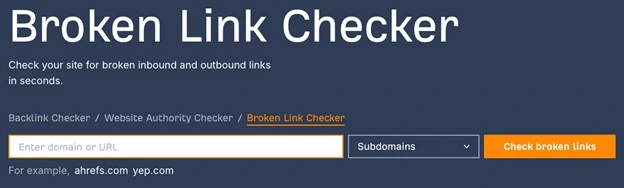
Broken link building is a popular strategy when it comes to getting links from high authority sources. The first step in the process is a reliable way to identify links that are broken on websites that are relevant to your industry.
This can be tedious to do on your own, but the good news is that there are tools like Ahrefs, Semrush, and Check My Links that can help.
When you have a list of possible links, it is vital that you choose the right one for your needs. These might include links that used to have a lot of traffic or content that is aligned exactly with your expertise. Also, it is important that you tackle tougher content first rather than going for the low-hanging fruit.
Remember that there are more people vying for easier link replacements; challenging content will have less competition. Also, ensure that your pitch and content idea provide value to the webmaster. When crafting an email, ensure that it doesn't read as too salesy, which can be off-putting.
3. Create Guest Posting Opportunities
One of the more important factors that influences the success of the link building process is guest posting. Guest posting is when you reach out to other adjacent businesses in your niche to post on their website. Depending on the deal you strike with the webmaster, you could get an author link or several links back to your website.
Guest posting is a great way to build links because it provides value to everyone involved: your website, the website hosting your article, and the users.
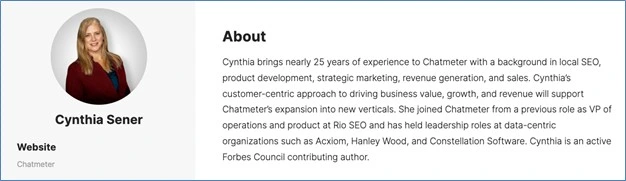
The first step is to identify the right blogs in your niche that are open to guest posting opportunities. Ensure that you thoroughly research their demographic and blog topics before you pitch article ideas.
When creating pitches, keep in mind that you need to demonstrate value to your audience and not just your website. The content should be original and of high quality, with legitimate sources for your data. Once you're done with the article, remember to engage with the comments.
4. Harness the Skyscraper Content Strategy
If you've been a part of a marketing team discussion, there is a chance that you might have heard about the skyscraper method. While it is true that this content strategy is old, it still performs well, and that is what matters.
Simply put, skyscraper content strategy involves finding the best-performing content piece on your website and making it better.
The article is analyzed against emerging trends in the industry and content gaps that might have been created.
A team works on creating a plan to make it more informative and up to date with the currently available information. This is also a good opportunity to "tighten up" the writing and work on formatting as well.
Verify all data points in the article and ensure that they are still valid. Also, add unique insights that are relevant to the article. Once it is done, share it across all the brand's social media to ensure good reach.
5. Discover and Reclaim Brand Mentions
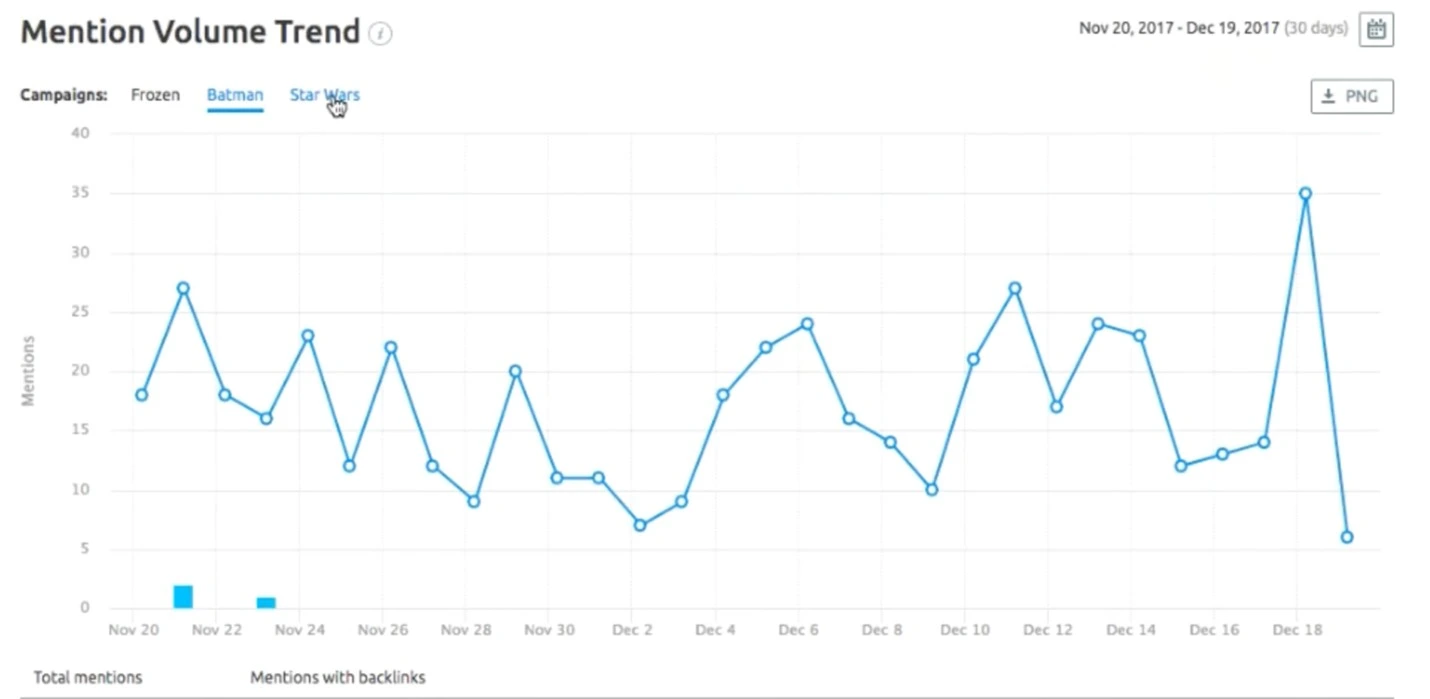
It goes without saying that brand mentions are a great place to introduce yourself and build a relationship. Have a system in place that can monitor your brand being mentioned on websites or social media handles.
There are tools that can help you do this, like Google Alerts, Mention, and Brandwatch. Other SEO suites like Ahrefs and Semrush also have a brand monitor app.
The ideal targets are high domain-authority websites, which can provide a huge boost to your SEO metrics. Keep in mind that even if they mention your website, you cannot take your pitch for granted. Create a personalized and polite request to their webmaster, highlighting why it would be a good idea to link back to your website.
Make it worth their while to add a link to you by providing a more comprehensive take on the section of the article that mentions your brand. Once they added the link, be sure to thank them - this keeps the doors open for future collaborations.
6. Approach Industry-Specific Directories
Being featured on reputable, niche-specific directories is a great way to build powerful links. It works on two fronts - it improves your SEO metrics and gets more traffic on your website. Research and create a list of possible directories that you should approach.
Ensure that you verify each directory's quality, domain authority, and relevance before you apply to it.
Things to keep an eye out for are low-quality, spammy link farms, which can do more harm than good. At your end, ensure that your NAP (Name, Address, Phone) information is updated and correct - use that on all directories. Errors in NAP can have negative impacts on your business. The business description should be succinct and to the point.
Add in the requisite niche-related keywords, but make sure that it isn't keyword-stuffed. The copy should be compelling without being too salesy. When choosing directories, ensure that you approach directories with an editorial review. Directories that review their submissions offer better quality link back opportunities.
7. Add Expert Roundup Posts
When discussing content formats that have the highest link-to-effort ratio, roundup posts figure in right at the top.
Planning for a roundup post is challenging, but the reward of multiple high authority links is too good to pass up! The foundation of every roundup post is an engaging topic or a pain point for customers in your niche.
Based on this topic, industry experts pitch in with their thoughts, creating a fruitful discourse from several angles. The best part about this is that you can get links from all the participants, and it builds on your own credibility. Some pointers to plan for a successful roundup post are to identify the right influencers in your industry.
Ensure participation is easy; the topic at hand should be approachable by all parties involved, including your users. Curate the best responses and collate them into an article. Ensure it is well-structured and easy to read. Don't forget to notify each participant when the post goes live so they can share it with their audience.
8. Sponsor Events for Real-World Networking
Every solid link building strategy has a method that ties in the digital world and the one we live in. Sponsoring or participating in events that are aligned with your business can improve brand reach and get you more opportunities to link to other related businesses.
These events offer you a great opportunity to network and secure deals, hopefully ones that include a website link!
It is always better to approach events like this from a point of authenticity. Remind yourself that you are there to build connections and not just to push your brand. Collect contacts so you can follow up with them for collaborations. Sponsoring also gives brands the opportunity to be featured on the event's official page.
Leverage the coverage you get with these events to get better quality links to your website. Industry events are a huge factor when it comes to building authority and goodwill among peers and competitors.
9. Leverage HARO (Help a Reporter Out) for PR
Building PR for a business is not easy, but there are ways you can do it. One of the better opportunities for doing this is through HARO. It is a great way to connect with journalists and news publications looking for more information about your industry.
The first thing you need to do is to create a profile on www.helpareporter.com with details about your business.
Once that is done, you can either get in touch with reporters who have queries relating to your industry or wait for queries to be sent to you via email. Ensure that you review the query thoroughly before responding. It is important to respond to a journalist's query effectively. By this, we mean that it should be researched, informative, and concise.
Your response should have enough data and insights to make it worth their while. Doing this successfully can give you a powerful high-authority backlink that is only possible to get through domain expertise.
Link Building Checklist - FAQs
1. What Factors Should I Check Before Outreach?
Check as many possible website metrics as possible, including quality of the website (domain authority, traffic, and engagement), webmaster contact information, and outreach email content. Double-check for grammatical errors and tone before you hit the send button.
2. How Can I Find Out if a Link Is High Quality?
There are several ways to determine if the website link is high-quality. A few important factors are -
Relevance - Is the website relevant to your business?
Authority - Does the website have enough domain rating and authority?
Traffic - How many visitors does it get per week/month?
Link placement - Where do they offer links, in the content or just the footer?
3. What Is the Optimal Number of Links to Build per Month?
There is no optimal link building number that we are aware of. The optimal number of links to build depends on the industry and current competition. The focus should always be on quality rather than quantity.
Key Takeaways
● Check for brand mentions on high authority websites for easy link building opportunities.
● Research broken links on other industry-relevant websites to improve content and establish links.
● Pitch compelling and engaging ideas to other websites in your niche for guest posting.
● Identify high-traffic content pieces on your website and improve them using the skyscraper technique.
● Compile a roundup post by curating insights from popular industry leaders and influencers in your niche.
● Sponsor real-world events to enforce your real-world exposure and build connections.
● Schedule your link building activities so you gather high-quality links consistently.